Native American advocacy groups have long fought for the recognition of tribal sovereignty, a fundamental right that is crucial to the preservation and protection of indigenous communities. The main demand of these advocacy groups is for the United States government to uphold and respect the sovereignty of Native American tribes.
Tribal sovereignty refers to the inherent right of indigenous nations to govern themselves, make their own laws, and manage their own affairs without interference from outside authorities. This includes the ability to establish and enforce regulations on land use, natural resources, education, healthcare, and other key aspects of tribal life. However, throughout history, this right has been repeatedly undermined and violated by federal policies that seek to assert control over Native lands and resources.
In recent years, Native American advocacy groups have mobilized to push for greater recognition of tribal sovereignty in order to address ongoing challenges such as environmental degradation, economic inequality, healthcare disparities, and cultural preservation. They argue that honoring tribal sovereignty is not only a matter of justice and respect for indigenous rights but also essential for promoting sustainable development and self-determination within Native communities.
By advocating for the recognition of tribal sovereignty, these groups are working towards creating a more equitable society where Native peoples can fully exercise their rights as sovereign nations. This includes supporting efforts to strengthen tribal governments, expand access to resources and opportunities for Native communities, and ensure meaningful consultation with tribes on matters that affect their interests.
In conclusion, the demand for recognition of tribal sovereignty is a central issue in the work of Native American advocacy groups who seek to empower indigenous communities and uphold their rights as sovereign nations. By honoring tribal sovereignty, we can move towards a more just and inclusive society where all people can live in dignity and respect.
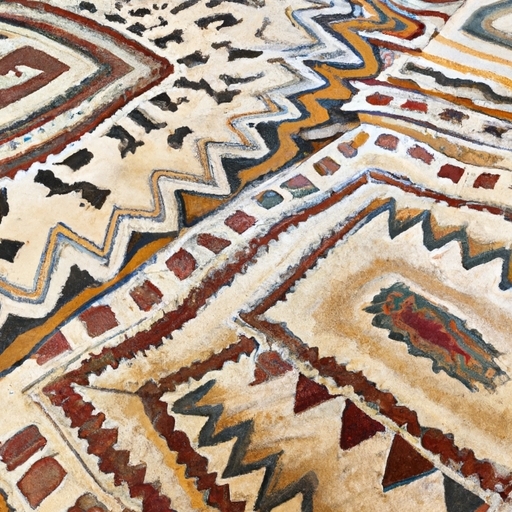
Native American advocacy groups have long been fighting for the protection of sacred sites and natural resources. One of their main demands is for the government to respect and honor the spiritual significance of these sites, which hold deep cultural and historical importance for indigenous communities.
These sacred sites are not just pieces of land or resources to be exploited; they are living embodiments of our ancestors' teachings, values, and connection to the earth. When these sites are desecrated or destroyed by development projects or resource extraction, it is a direct attack on our identity and way of life.
Native American advocacy groups also demand that natural resources be managed sustainably and in harmony with traditional ecological knowledge. This means recognizing the interconnectedness of all living beings and understanding that what affects one part of the ecosystem can have far-reaching consequences.
By protecting sacred sites and natural resources, we are not only preserving our cultural heritage for future generations but also safeguarding the health and well-being of all people who depend on these lands for sustenance. It is essential that we work together to ensure that these precious places are respected, preserved, and protected for years to come.
Native American advocacy groups are calling for greater emphasis on the promotion of cultural preservation and language revitalization within their communities. These groups are demanding that policies and initiatives be put in place to protect and celebrate their unique cultures, traditions, and languages.
For centuries, Native American communities have faced systematic attempts to erase their cultures and languages through colonization, forced assimilation, and other forms of cultural suppression. As a result, many indigenous languages are now endangered or critically endangered, with only a small number of fluent speakers remaining.
In order to reverse this trend and ensure the survival of indigenous cultures for future generations, advocacy groups are pushing for greater support in preserving traditional practices, storytelling, ceremonies, art forms, and languages. They believe that these elements are essential to their identities as distinct peoples with rich histories and worldviews.
Furthermore, advocates argue that cultural preservation is not just important for Native Americans themselves but also for society as a whole. By recognizing and valuing indigenous knowledge systems and ways of life, we can all benefit from the diversity of perspectives that enrich our collective understanding of the world.
In conclusion, the main demand of Native American advocacy groups is clear: they want meaningful action to be taken to promote cultural preservation and language revitalization within their communities. It is crucial that we listen to their voices and work together to create a more inclusive society that values and protects the diverse cultures that make up our world.
As native American advocacy groups continue to strive for equity and justice, one of their main demands is addressing historical trauma and disparities in healthcare, education, and economic opportunities.
For centuries, indigenous communities have faced systemic discrimination and marginalization that have had profound effects on their well-being. The intergenerational trauma resulting from colonization, forced assimilation policies, and the destruction of cultural practices has led to significant disparities in health outcomes among native populations. Access to quality healthcare services is often limited in indigenous communities, leading to higher rates of chronic illnesses such as diabetes, heart disease, and mental health issues.
Similarly, educational opportunities for native American youth are severely lacking compared to their non-indigenous counterparts. Many schools in tribal communities are underfunded and lack resources necessary for a quality education. This perpetuates a cycle of poverty and limits the potential for success among native students.
Economic opportunities for indigenous peoples are also disproportionately low due to historical injustices such as land dispossession and exploitation of natural resources. Many tribes continue to struggle with high rates of unemployment and poverty, further exacerbating social inequalities within their communities.
In order to address these longstanding disparities, native American advocacy groups are calling for comprehensive solutions that prioritize the needs of indigenous peoples. This includes increased funding for healthcare services in tribal communities, culturally competent educational programs that honor traditional knowledge systems, and economic development initiatives that empower native entrepreneurs.
By advocating for these changes, native American advocacy groups are working towards a future where all indigenous peoples have equal access to opportunities that promote health, education, and economic prosperity. It is essential that we listen to the voices of indigenous communities and work together towards building a more inclusive society that values the contributions of all people.
Native American advocacy groups are tirelessly fighting for the recognition and protection of treaty rights and land claims. One of the main demands of these groups is for the government to honor the agreements made in treaties with Native American tribes. These treaties, signed many years ago, were meant to protect the land and resources of indigenous peoples. However, all too often, these promises have been broken and ignored.
The land that was once rightfully owned by Native American tribes has been taken away from them through deceit, force, and manipulation. This has resulted in a loss of identity, culture, and livelihood for many indigenous communities. Advocacy groups are demanding that this historical injustice be rectified by returning land back to its rightful owners or providing fair compensation for the stolen lands.
Furthermore, these groups are advocating for the preservation of natural resources on tribal lands. Many Native American communities rely on their land for sustenance, cultural practices, and spiritual beliefs. It is crucial that these resources are protected from exploitation by outside interests seeking profit at the expense of indigenous peoples.
Overall, advocating for treaty rights and land claims is about justice, respect, and dignity for Native American communities. It is about acknowledging past wrongs and working towards a more equitable future where indigenous peoples can thrive on their own terms. The fight for treaty rights and land claims is not just a legal battle; it is a fight for survival and empowerment of marginalized voices that deserve to be heard and respected.
Native American advocacy groups are calling for an end to environmental racism and the support of sustainable development initiatives. This is a crucial demand that has been long overdue, as Indigenous communities have been disproportionately impacted by environmental degradation and exploitation.
For far too long, Native American communities have borne the brunt of toxic waste sites, air and water pollution, and other environmental injustices. These communities often lack access to clean water, healthy food sources, and adequate healthcare due to the contamination of their lands. This not only threatens the health and well-being of Indigenous peoples but also undermines their cultural traditions and way of life.
In addition to addressing these immediate concerns, supporting sustainable development initiatives is essential for ensuring the long-term health and prosperity of Native American communities. By investing in renewable energy projects, conservation efforts, and green infrastructure, we can create economic opportunities while protecting our environment for future generations.
It is time for policymakers and decision-makers to listen to the voices of Indigenous peoples and take action to address these pressing issues. We must prioritize ending environmental racism and supporting sustainable development initiatives in order to achieve justice for all communities affected by environmental injustice.
Together, we can work towards a more equitable and sustainable future where all people have access to clean air, water, and land. Let us stand in solidarity with Native American advocacy groups as they continue to fight for a healthier planet and a brighter tomorrow for us all.
what made native american peoples vulnerable to conquest by european adventurers?
One of the main demands of Native American advocacy groups is to fight against stereotypes and discrimination in media and society. For far too long, Native Americans have been portrayed inaccurately and disrespectfully in the media, perpetuating harmful stereotypes that contribute to their marginalization and discrimination in society.
These stereotypes often depict Native Americans as savage, primitive beings or mystical, spiritual beings, erasing their contemporary existence and diversity. These portrayals not only misrepresent Native American culture but also limit their opportunities for accurate representation and empowerment.
Advocacy groups are calling for more authentic and diverse representations of Native Americans in the media – ones that reflect their lived experiences, cultures, perspectives, and contributions to society. They are demanding that Native American voices be centered in storytelling processes to ensure accuracy and respect.
Furthermore, these groups are advocating for policies and practices that combat systemic discrimination against Native Americans in all areas of society – from education and healthcare to employment and criminal justice. They are demanding equal access to resources, rights, opportunities, and protections for all Indigenous peoples.
In essence, the main demand of Native American advocacy groups is for their voices to be heard, their stories to be told truthfully, and their rights to be respected. It is time for us as a society to listen, learn from them, and stand with them in the fight against stereotypes and discrimination. Together, we can create a more inclusive world where every individual is seen, valued, and celebrated for who they truly are.